CORDLESS TECHNOLOGY
Aiper Robot Piscine: The Cordless Pool Cleaning Revolution
Aiper’s proprietary cordless robotic cleaners eliminate the tangled hoses and extension cords that make pool maintenance a tripping hazard. Our engineers designed these machines to move freely across your pool floor and walls without being tethered to a power outlet, so you get consistent, thorough cleaning without the clutter of cords draped across your deck. It’s a smarter, safer way to keep your water…
Cords Required
Feet of Free Movement
Fewer Tripping Hazards
CATEGORY DEFINING
Why Pool Owners Choose Aiper Over Traditional Cleaners
In a market crowded with corded, complex, and high-maintenance options, Aiper carved a new path by focusing on what pool owners actually want: simplicity, cordless freedom, and reliability that doesn’t require a service call.
Cordless by Design, Not as an Afterthought
Every Aiper cleaner is built from the ground up without a power cord. This isn’t a retrofit-it’s the core engineering principle. The result is zero risk of cord tangles, snags on ladders, or limitations on pool shape and size. You drop it in, and it cleans without tripping over itself.
Engineered for the Real World, Not the Showroom
We design for backyards, not display floors. That means lightweight bodies a single person can lift, intuitive one-button controls, and filtration systems that handle leaves, sand, and fine silt-without constant emptying. It’s built to work when you’re grilling, not when you’re tinkering.
Independent Cleaning Cycles, Independent You
Aiper robots run full cleaning cycles on a single charge, covering floors, walls, and waterline. You’re not tethered to an outlet or babysitting a machine. Your pool gets cleaned while you’re at work, at the store, or simply enjoying a Sunday without chores.
No Subscription, No Complicated Parts
Ownership is straightforward. There are no mandatory app subscriptions, no proprietary filter bags that cost a fortune to replace, and no need for a professional to service the unit seasonally. Buy it, use it, rinse the filter, repeat.
Tested in Thousands of Different Pools
Aiper cleaners are validated across a huge range of real-world conditions-kidney shapes in Arizona, rectangular pools in Florida, above-ground setups in the Midwest. This isn’t lab-only tech; it’s proven hardware that handles pebble-tech surfaces, vinyl liners, and tile with equal confidence.
Transparent Specs, Honest Trade-offs
We publish clear runtimes, coverage areas, and weight specs because we respect your time. We also acknowledge that a cordless robot has limits-it won’t climb a vertical step as aggressively as a corded commercial unit. That honesty is part of the value.
FEATURED PRODUCT SPOTLIGHT
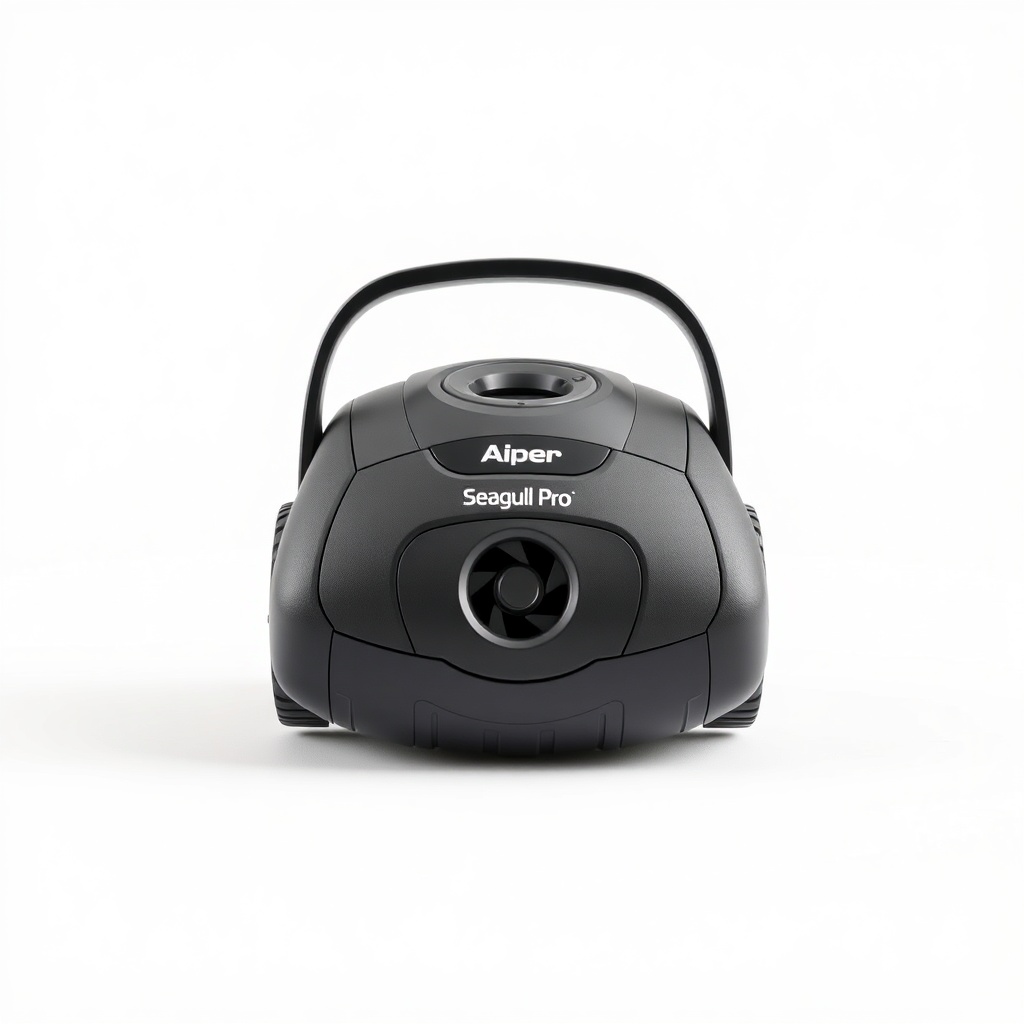
Aiper Seagull Pro
★ 4.6 · 3,472 reviews
Most pool cleaners wander randomly, missing spots and wasting battery. The Seagull Pro uses a gyroscopic SmartNav system to methodically scan your pool’s shape, then runs a precise S-shape path that covers every square foot of the floor and walls. It calculates the most efficient route before it starts cleaning, so no corner gets skipped and no minute gets wasted. You still get the cordless freedom Aiper is known…
- SmartNav gyroscopic mapping analyzes pool dimensions and plots an S-shape cleaning route for full-coverage efficiency
- Cleans floors and walls in pools up to 1,614 sq ft, adapting its path to rectangular, kidney, or freeform shapes
- Three-motor suction system pulls in fine silt, leaves, and sand without clogging the filter basket
- Filter basket pops out from the top for quick debris removal-no flipping the unit upside down
One Button. One Mission: A Spotless Pool.
Aiper robotic cleaners start with a single press. No app pairing, no WiFi network, no complicated setup-just drop it in and press the button.
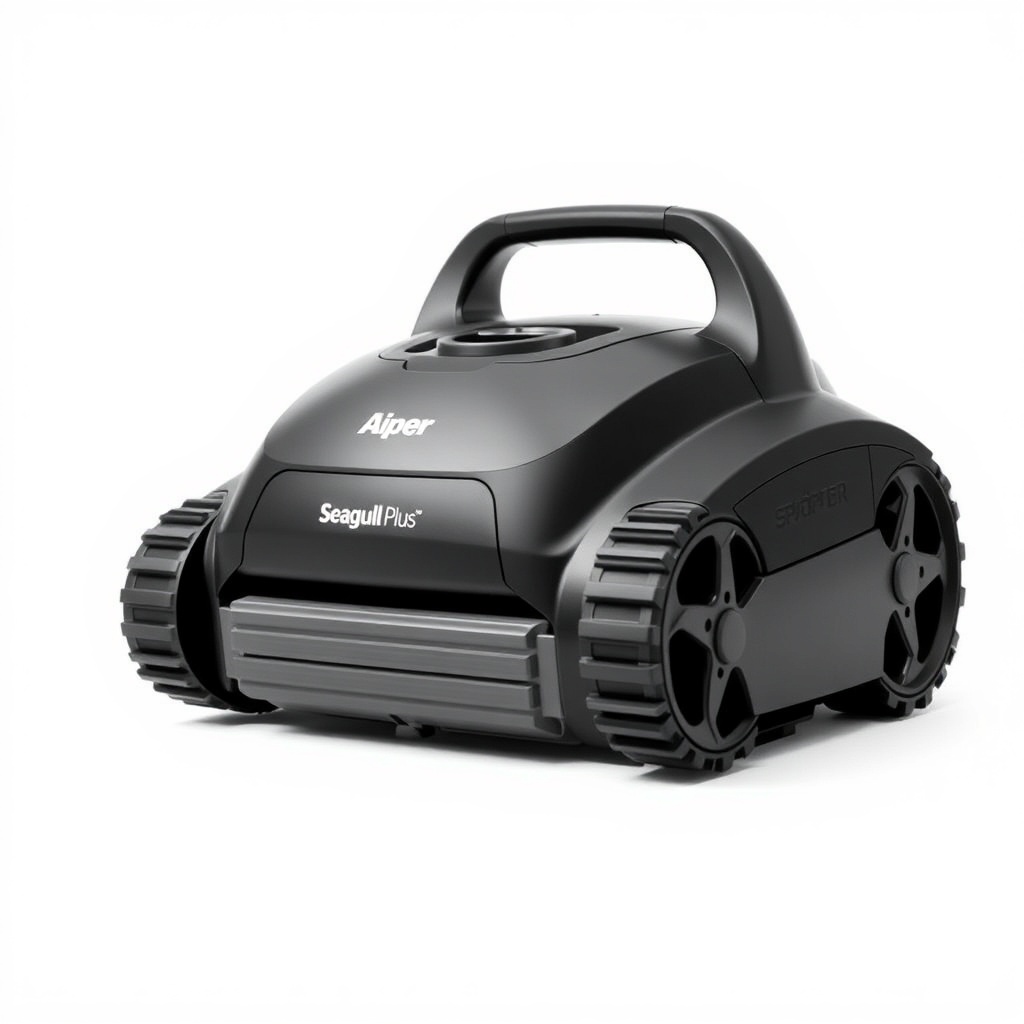
Aiper Seagull Plus
One-button activation sends this cleaner across your pool floor and walls-zero app downloads, zero Bluetooth pairing, zero hassle.
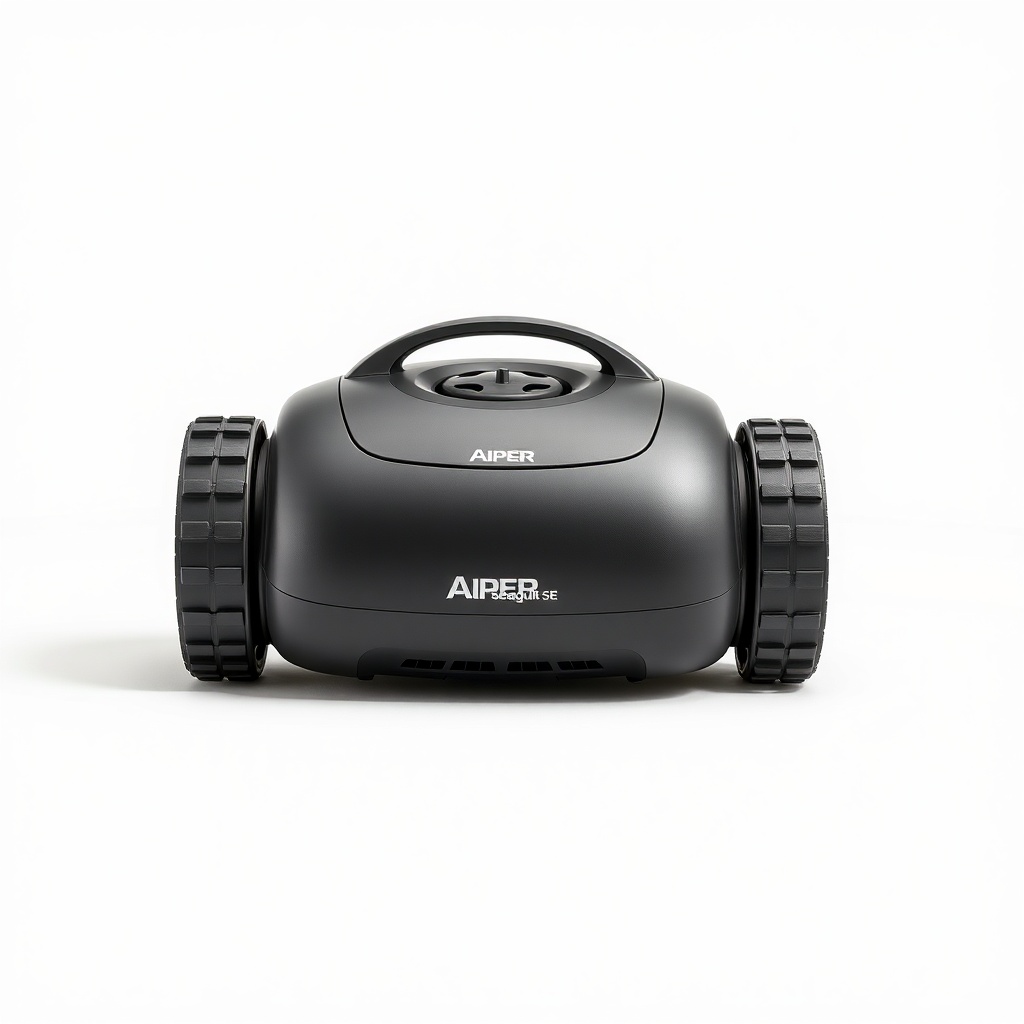
Aiper Seagull SE
Press once to clean-this lightweight cordless unit handles pool floors without needing a phone, remote, or any wireless connection.
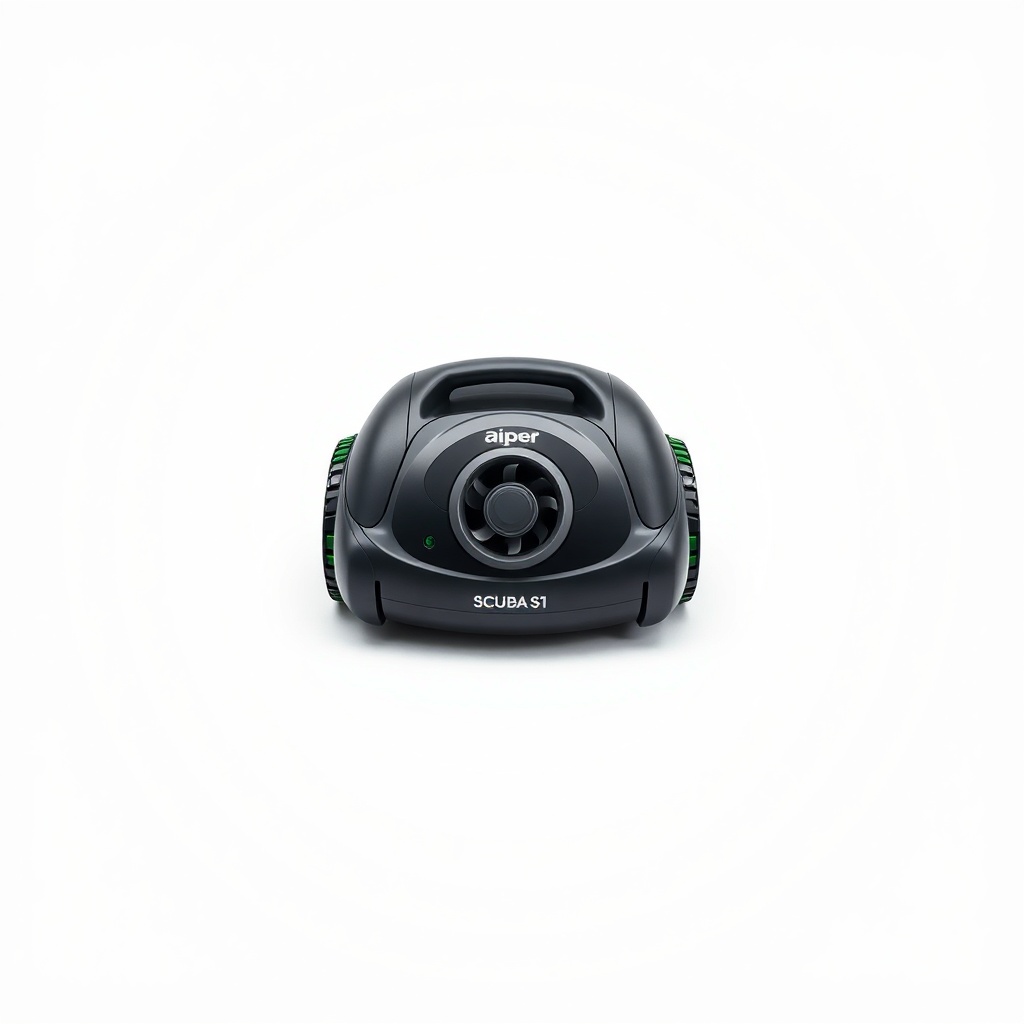
Aiper Scuba S1
Drop it in the pool, hit the power button, walk away-this model cleans floor, walls, and waterline with zero smart-home dependency.
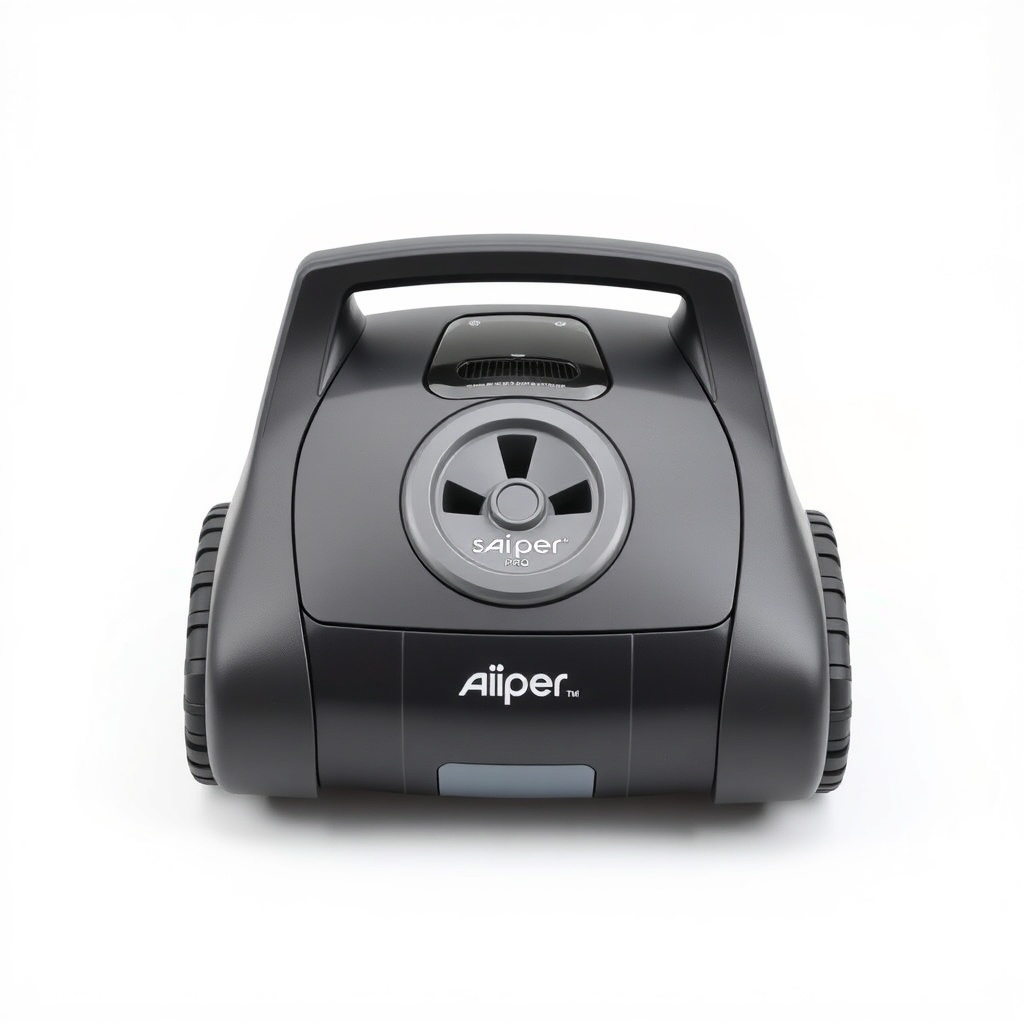
Aiper Seagull Pro
Dependable one-press cleaning for larger in-ground pools-works entirely offline so there’s nothing to configure before each session.
BATTERY LIFE BUYING GUIDE
Match Your Pool Size to the Right Battery Life
An Aiper’s runtime determines whether it can clean your entire pool in one session or needs a recharge mid-job. Here’s how battery capacity translates to real-world coverage so you pick the model that fits your space.
Pool Surface Area
Measure your pool’s footprint in square footage. Aiper rates each model by the area it can cover per charge, so a 500-sq-ft pool needs less runtime than a 1,400-sq-ft pool to finish in one session.
Floor Complexity
Pools with benches, tanning ledges, or sharp slopes force the robot to climb and pivot more often, draining the battery faster than a flat-bottom pool of the same square footage.
Debris Load
Heavy leaf fall or fine silt requires slower, overlapping passes. Expect 10-15% less effective coverage per charge when cleaning after a storm compared to routine weekly maintenance.
Water Temperature
Batteries lose efficiency in water above 95°F. If your pool sits under direct Texas sun, summer runtime can drop 5-8% versus the same unit running in cooler northern climates.
Charge Cycle Health
Lithium-ion cells gradually hold less capacity after 300-400 charge cycles. A unit used twice weekly from May through September will hit that threshold in about three seasons.
Wall-Climbing Burden
Models that scrub walls and the waterline consume more energy per square foot than floor-only cleaners. Subtract roughly 15% from stated runtime if full wall coverage is your expectation.
HOUSTON OWNER PERSPECTIVE
Built on a Foundation of Trust
From warranty coverage to industry recognition, Aiper’s commitment to pool owners is backed by tangible proof-not just promises.
Full Warranty
24
Safety Certifications
3
Units Sold Globally
1
Avg. Customer Rating
4
1287 verified reviews
Beyond the Sticker: What Cleaning Really Costs
Owning a pool shouldn’t mean owning a second job. Here’s what Aiper robotic cleaners really cost to run, fix, and keep happy-versus calling in a service crew every week.
A typical weekly cleaning service runs between $100 and $200 per month depending on your region, which adds up to roughly $1,200-$2,400 annually. An Aiper robot uses about $5-$10 in electricity per year and eliminates that recurring labor bill. Most owners report saving between $1,100 and $2,300 annually after the first season, meaning the unit often pays for itself within 12 to 18 months.
The most common overlooked expense is the occasional deep-clean of the unit itself, which takes about 15 minutes and no special tools. If your pool has heavy calcium buildup, you may need to soak the filter housing with a mild descaling solution a few times per season-total cost under $10 per year. There is no subscription fee, no app cost, and no mandatory cloud service attached to any Aiper model.
Every Aiper robotic pool cleaner ships with a standard 2-year manufacturer warranty covering motor, battery, and electronic defects. The warranty does not cover consumable items like filters or brushes, which are expected to wear with normal use. Extended protection plans are available through select retailers at the time of purchase, typically adding one extra year for around $30 to $50.
Aiper’s lineup covers above-ground pools up to 850 square feet and in-ground pools up to 1,600 square feet, with floor-only and floor-plus-wall cleaning options. Flat-bottom above-ground pools are the simplest use case; in-ground pools with slopes, steps, or tile walls benefit from the higher-end wall-climbing models. If your pool exceeds 1,600 square feet or has an unusual shape, contact Aiper support to confirm…
Replacement filter cartridges for most Aiper models run between $15 and $35 per set and should be swapped every 3 to 6 months depending on debris load. Brushes and tracks wear out more slowly-typically every 12 to 18 months-and cost around $20 to $40 per replacement kit. Annual filter and brush spending lands in the $60 to $120 range, a fraction of a single month’s professional service visit.
With routine filter changes and brush maintenance, most Aiper units deliver 3 to 5 years of reliable service. Battery longevity is the primary factor-lithium cells gradually lose capacity after roughly 500 full charge cycles. Replacing a battery pack costs around $60 to $90 and can extend the cleaner’s useful life by another 2 to 3 years, keeping long-term cost of ownership well under $200 per year.
Yes, all current Aiper models are rated for both chlorine and saltwater pools up to 10,400 gallons. Saltwater environments may accelerate wear on rubber tracks and seals slightly, so inspecting those components every 6 months is a smart habit. Replacement seal kits cost about $12 to $18, and the added upkeep is minimal compared to the corrosion-related service calls a manual cleaner or fixed plumbing system might…