CORDLESS POOL CLEANING
The Aiper Pool Cleaner That Goes Where You Go
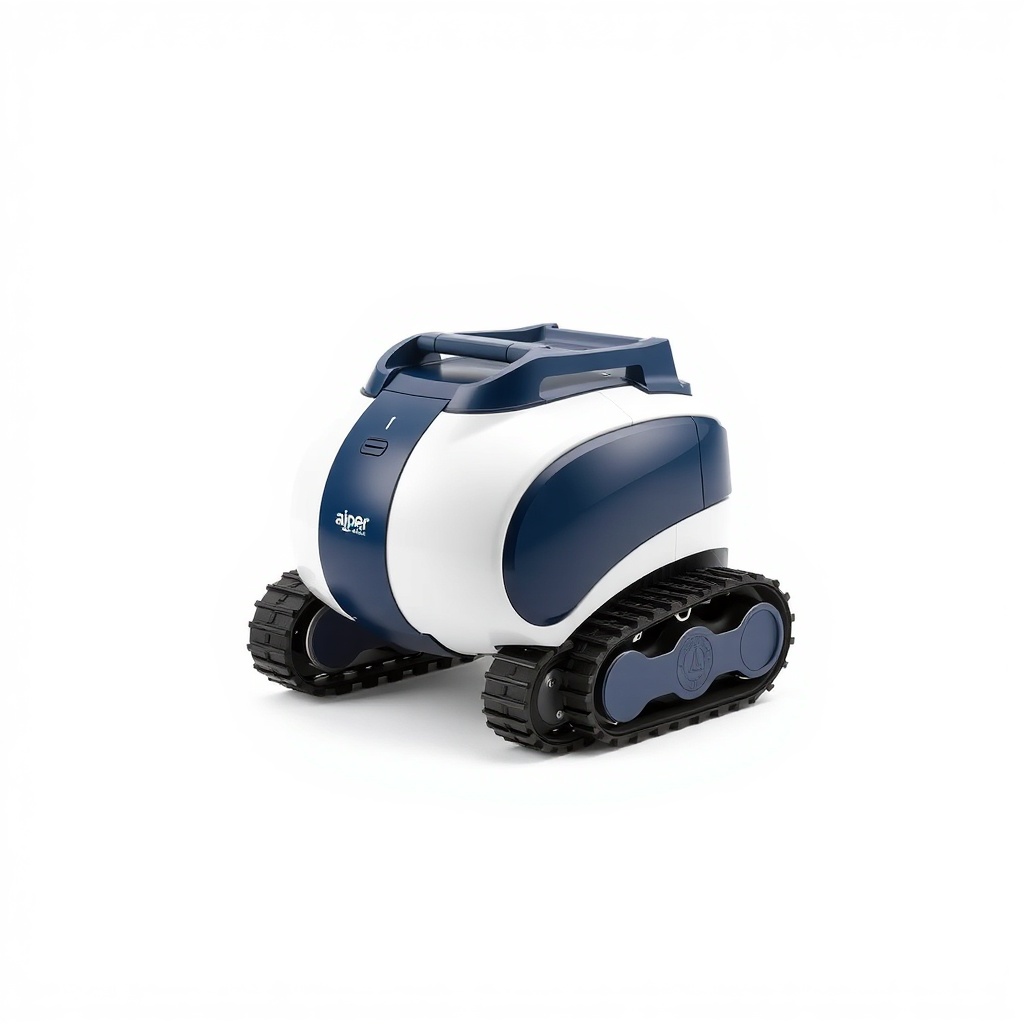
Tired of tripping over hoses or wrestling with tangled cords? The Aiper Seagull series ditches the tether entirely. Drop it in your pool, and its cordless design lets it roam free-no outlets, no drag, no fuss. It cleans the floor, walls, and waterline on a single 90-minute charge, navigating around ladders and drains without supervision. For the 73% of pool owners who call cord management their top frustration,…
Runtime Per Charge
Max Pool Coverage
Lifted Above Water
THE AIPER STORY
Born in a Garage, Built for Your Pool
What started as a small team in Shenzhen in 2017 has grown into a global force in automated pool care. We didn’t come from the traditional pool industry-we came from consumer robotics, and that outside perspective shaped every product we make.
Robotics DNA, Not Pool-Industry Habits
Most pool cleaner brands trace back to legacy pump or chemical companies. Aiper was founded by consumer-robotics engineers who approached water as a design challenge, not a retrofit. That cross-industry thinking shows up in everything from motor efficiency to app connectivity.
Shenzhen Hardware Advantage
Headquartered in Shenzhen-the global capital of electronics manufacturing-Aiper maintains direct relationships with component suppliers, battery cell producers, and precision motor fabricators. Shorter supply chains mean faster iteration cycles and tighter quality control on every unit that leaves the factory floor.
Seven Years of Pool-Specific R&D
Since 2017, the engineering team has logged thousands of testing hours across residential pools in Florida, Texas, Arizona, and Southern California. Real-world data from chlorine-heavy, saltwater, and hard-water environments feeds directly into each new model’s filtration logic and surface-grip patterns.
Vertical Integration from Motor to Mobile App
Aiper designs its own brushless motors, navigation algorithms, and companion app in-house rather than white-labeling third-party modules. This vertical approach lets the company push firmware updates that improve cleaning coverage months after purchase-something assembled-from-parts competitors simply can’t match.
Global Scale, Garage Ethos
Two million units shipped worldwide, yet the company still operates with the urgency of a startup. Product managers personally read one-star reviews. Engineers visit big-box retail floors to watch shoppers pick up boxes. That proximity between builder and buyer keeps the feedback loop brutally short.
Designed Around the Owner, Not the Pool Pro
Traditional pool equipment assumes a technician will install and service it. Aiper designs for the homeowner who wants to drop a unit in the water, press one button, and walk away. Fewer parts, no hose tangles, no scheduled service calls-just a clean pool by the time you finish grilling.
Meet the Robots That Scrub Your Walls, Too
Aiper’s Scuba series cleaners don’t just vacuum the floor-they scale vertical surfaces with 3D navigation to scrub tile lines, coves, and waterline grime that manual brushes miss.
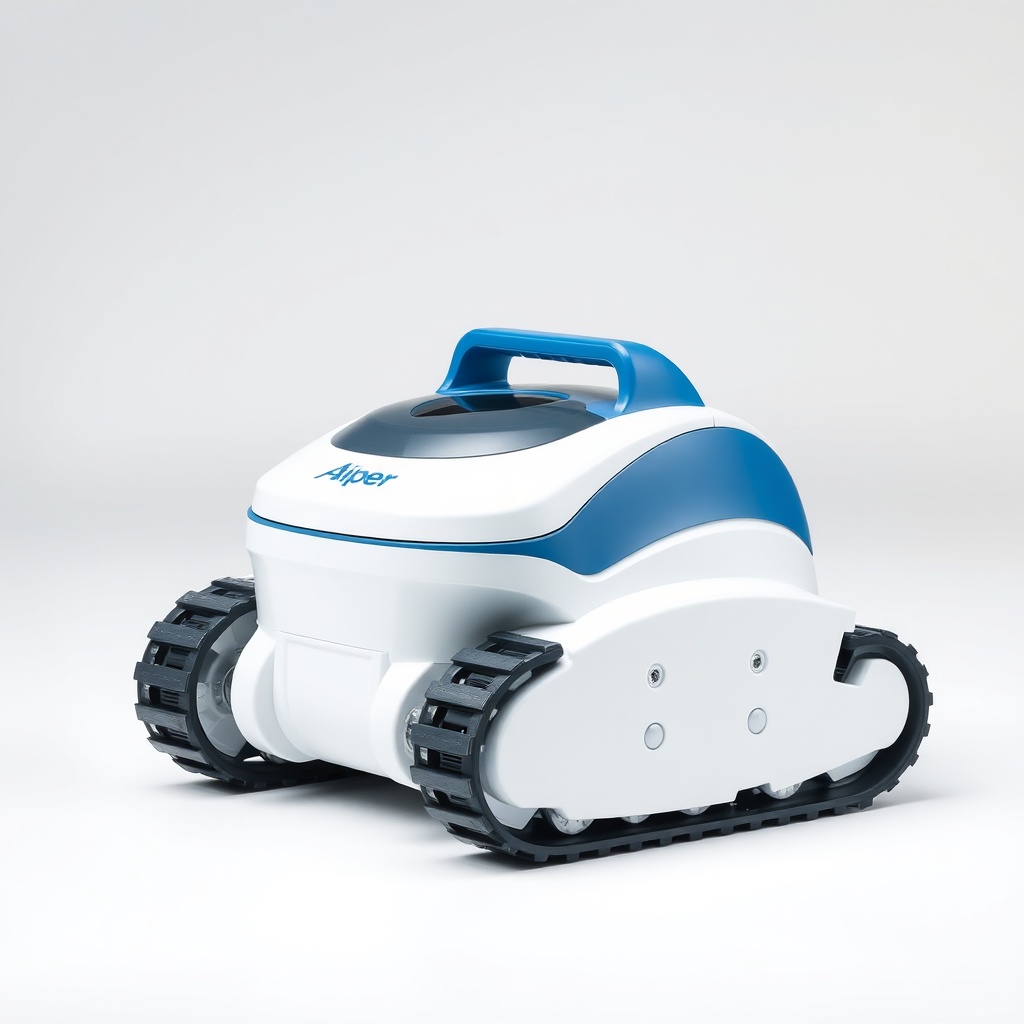
Aiper Scuba S1
Navigates walls and steps with smart 3D mapping, scrubbing the waterline where algae builds fastest.
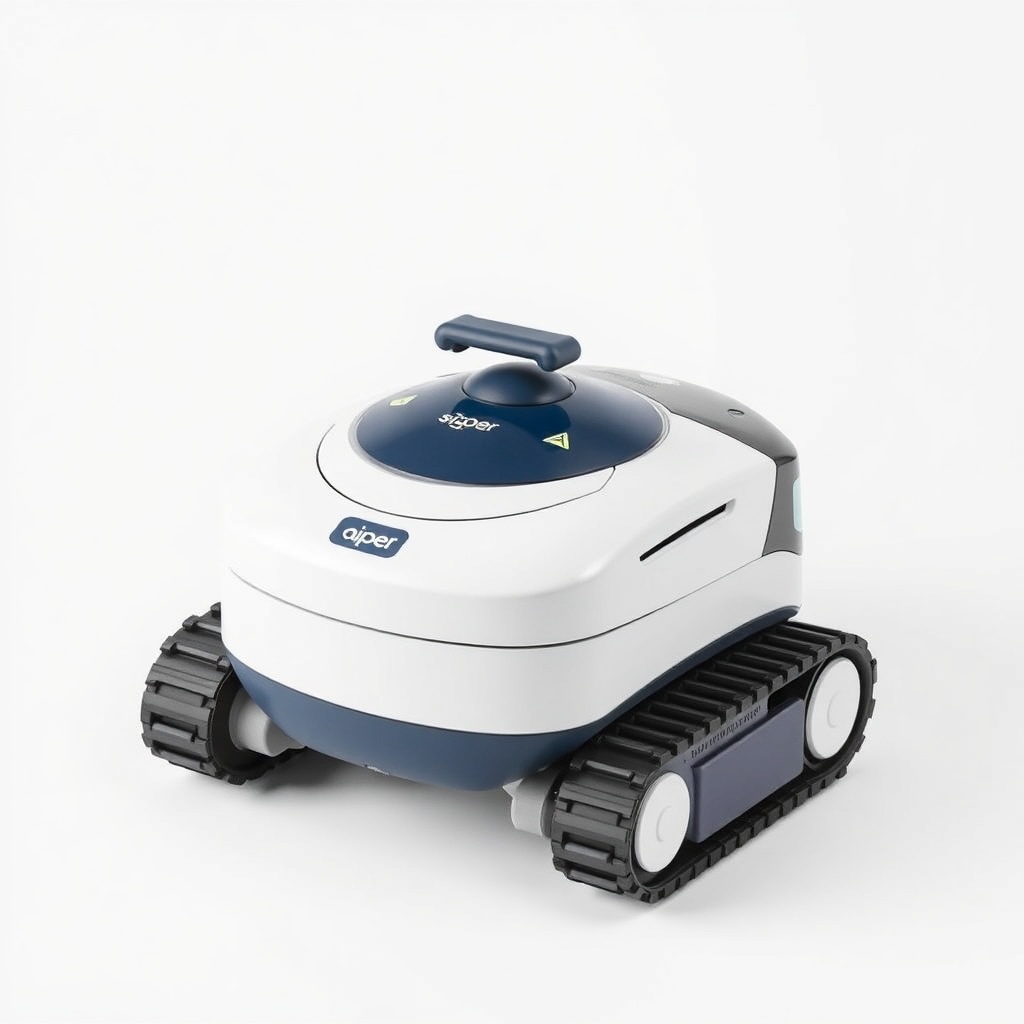
Aiper Scuba S1 Pro
Dual-layer filtration and extended battery let it cover pools up to 2,150 sq ft, scrubbing walls on a single charge.
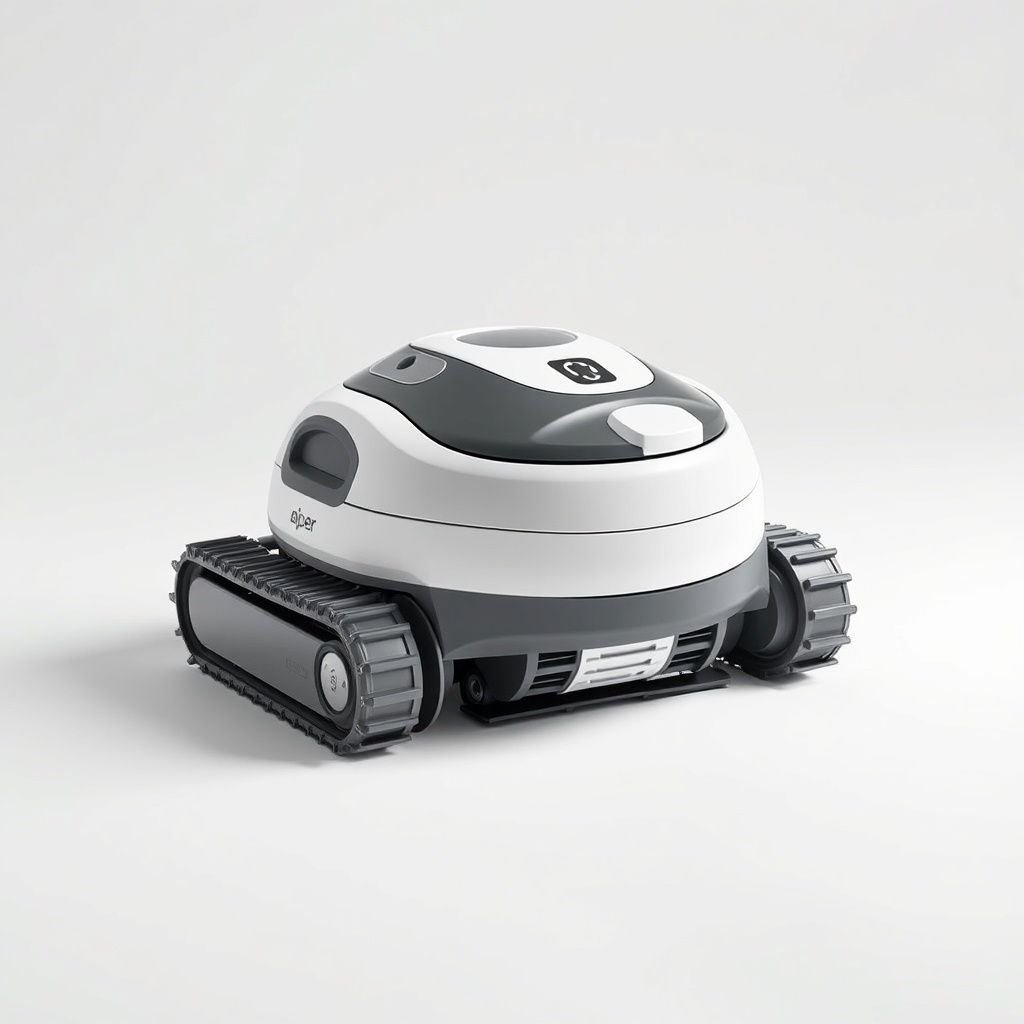
Aiper Scuba C1
Combines floor, wall, and cove cleaning in one pass with intelligent route planning across every surface.
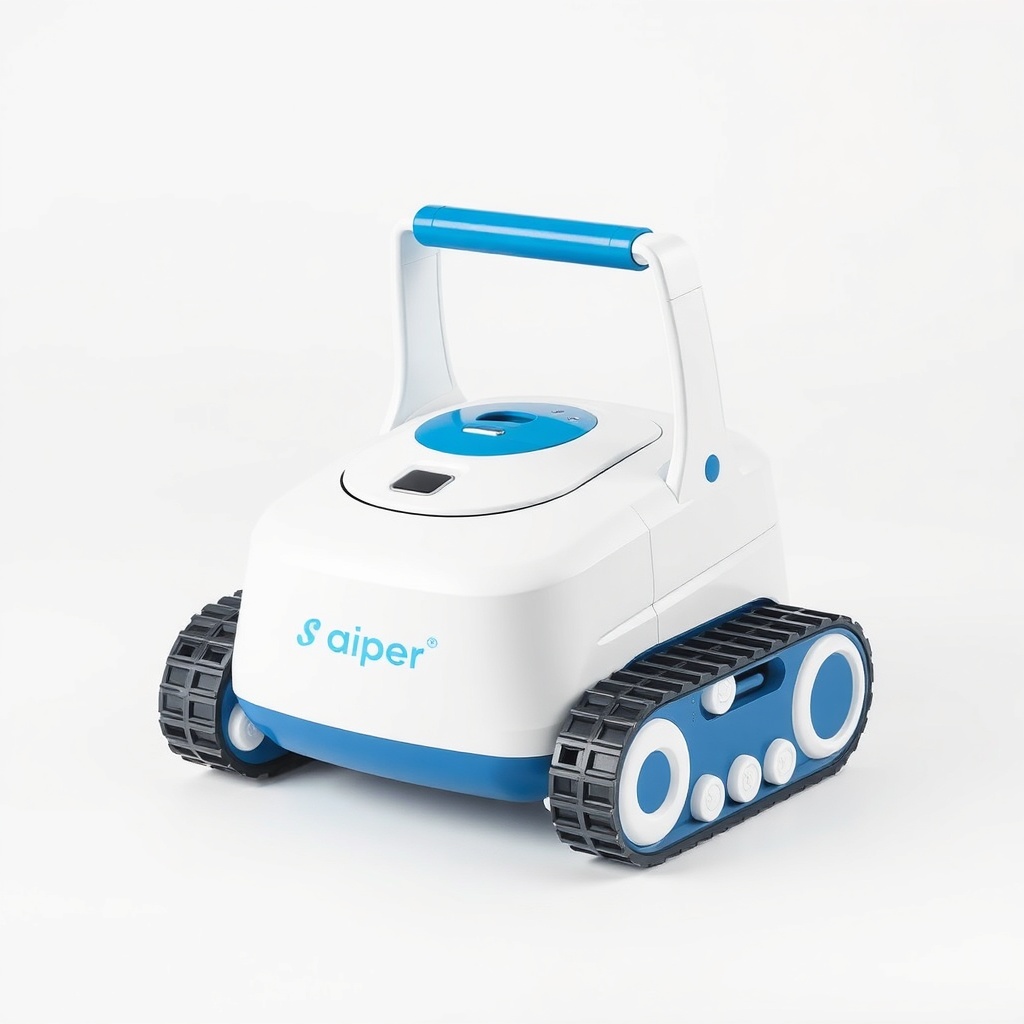
Aiper Scuba SE
An entry-level wall climber that still handles vertical tile and waterline scrubbing without a premium price.
UNDERWATER POV
Aiper Scuba S1 Pro
★ 4.3 · 187 reviews
Stop guessing where the grime hides. The Scuba S1 Pro’s built-in 1080p camera streams a live feed straight to your phone, turning every cleaning cycle into a pool-floor inspection. You watch in real-time as it tackles algae patches, debris clusters, and that one mysterious stain near the drain-no more pulling a dirty filter out and wondering if it actually worked. The footage doubles as a diagnostic tool: spot…
- Integrated 1080p HD camera with live streaming to the Aiper app on iOS and Android
- Recorded clips save automatically so you can review debris buildup patterns over multiple sessions
- Intelligent path planning covers floors, walls, and waterline in pools up to 3,229 sq ft
- Large-capacity filter basket captures fine silt down to 180 microns-no pre-filter required
- Runtime up to 150 minutes on a single charge for full-pool coverage
BUYING GUIDE
The Sweet Spot Between Cheap and Pro-Grade
Aiper pool cleaners occupy a mid-tier price range ($500-$800) that balances serious cleaning performance with accessible cost. If your pool is around 15 × 30 feet (roughly 450 sq ft of floor surface), models in this bracket handle typical debris-leaves, sand, algae-without the $1,200+ premium attached to top-tier commercial units. Below is how to evaluate them against your yard’s specific demands.
Pool Surface Compatibility
Verify the cleaner’s scrubbing brushes match your pool interior-vinyl, fiberglass, gunite, or pebble-finish. Mismatched brush types can scratch delicate liners or fail to grip textured plaster.
Battery Runtime vs. Pool Volume
Calculate your pool’s gallon count (length × width × average depth × 7.5). A unit rated 120 minutes needs roughly 9,000-15,000 gallons to finish in one cycle without mid-clean recharges.
Filter Fine-Mesh Rating
Measured in microns-lower numbers catch finer debris. At this price point expect 180 µm baskets; anything above 200 µm will let pollen and fine silt slip through.
Wall-Climbing Ability
Check the maximum wall angle specification. Units under $600 often top out at 15° inclines, while $700+ models may climb to 70° or beyond for full wall coverage.
Noise Output
Measured in decibels (dB) at one meter. Mid-tier cordless cleaners typically run 55-65 dB-quieter than a pool pump but still audible from a patio 20 feet away.
Warranty Length and Coverage
Standard coverage in this range runs two years on motor and electronics. Confirm whether the battery pack is included under warranty, since lithium cells degrade fastest and may carry a shorter guarantee.
4897 verified reviews
BUILT-IN PEACE OF MIND
Your Investment, Protected for 24 Months
Every Aiper pool cleaner comes with a comprehensive warranty backed by real people ready to help. No fine-print surprises, just straightforward coverage and direct access to our support team.
Manufacturer Warranty
24
US Support Hotline
833
Units Sold in North America
500
Certified to UL 1017
ETL
Still Using Hoses? Here's Why Robots Win
If you’re still wrestling with a manual vacuum or a hose-connected suction cleaner, you’re probably wondering if a robotic upgrade is worth it. Here’s a straight look at the numbers, the time trade-offs, and what Aiper’s cordless robots actually bring to the poolside.
Aiper’s cordless robotic cleaners typically draw between 150 and 200 watts per cleaning cycle. Running one for 90 minutes costs roughly 3 to 5 cents on a standard U.S. residential electricity rate. Traditional suction-side cleaners rely on your pool pump, which can pull 1,500 to 2,500 watts. A single 8-hour suction cleaning session can cost anywhere from $1.20 to $2.50 depending on your local utility…
Aiper offers models designed for both pool types. The Seagull series targets in-ground pools up to 1,600 square feet, while compact units like the Scuba handle above-ground pools up to 860 square feet. Check each model’s rated pool size before buying-undersizing the unit is the most common reason owners report incomplete cleaning.
Battery runtimes range from 60 minutes on entry-level models to around 150 minutes on the longest-running units. For a standard 14-by-28-foot rectangular pool, a single charge is typically enough for one complete cleaning session. Owners of larger freeform pools may need a mid-cycle recharge to finish. The lithium-ion packs are rated for roughly 500 charge cycles before capacity drops noticeably.
It’s not recommended. While the units are waterproof, leaving any cordless electronics submerged for extended periods accelerates seal wear and can shorten battery life. Aiper suggests removing the robot after each cycle, letting it drain, and storing it in a shaded, dry spot. Most owners find the 2-minute retrieval-and-rinse routine easy enough to stick with.
Most Aiper cordless models complete a full floor-and-wall cleaning cycle in 60 to 120 minutes, depending on pool size and shape. A suction-side cleaner connected to a standard pump usually needs to run 4 to 8 hours to achieve comparable coverage, since its suction power depends entirely on the pump’s flow rate and the length of the hose.
No. Aiper robots have their own built-in filter baskets that trap leaves, sand, and fine debris independently of your main pool filter. Suction-side cleaners, by contrast, route everything through your pump’s skimmer basket and filter, which increases wear on those components and means you’ll need to clean or backwash more frequently.
After each use, rinse the filter basket with a garden hose and inspect the brushes for tangled hair or string. About once a month, check the tracks or wheels for debris buildup. Aiper recommends replacing the filter basket every 12 to 18 months and the scrubbing brushes every 6 months, depending on how often you run it. Compared to suction cleaners-which require hose inspection, swivel seal replacement, and…