CORDLESS POOL CLEANING
The Aiper Pool Vacuum That Cuts the Cord on Pool Cleaning Forever
No hoses. No tangled cords dragging across your deck. The Aiper wireless pool vacuum drops into your pool with a single touch and handles the rest – scrubbing walls, vacuuming floors, and filtering debris without you lifting a finger. Its cordless design means zero setup time and zero tripping hazards, so you actually spend your Saturday swimming instead of wrestling with equipment. Just press start, walk away,…
Run Time Per Charge
Max Pool Coverage
Startup Command
FOUNDING & ORIGINS
Why Aiper Built a Category, Not Just a Product
Before Aiper, pool cleaning meant tangled cords, manual scrubbing, and equipment designed for commercial pools, not backyards. We started with a different question: what if the technology worked around the pool owner, not the other way around?
Born from Consumer Frustration, Not Industrial Need
Unlike legacy brands that scaled down commercial pool cleaners, Aiper engineered its first vacuum specifically for residential use. Every design choice-from the compact body to the one-button start-came from watching homeowners struggle with equipment built for public pools, not family weekends.
Shenzhen R&D as a Strategic Advantage
Headquartered near China’s hardware innovation hub, Aiper’s engineering team has direct access to cutting-edge battery cell suppliers, motor manufacturers, and waterproofing specialists. This proximity shortens the development cycle from concept to production-ready prototype by roughly 40% compared to brands sourcing components across continents.
Category Definition Through Cordless-First Design
When Aiper launched its first cordless model, the market was saturated with corded robots. Competitors treated cordless as a premium add-on; Aiper treated it as the baseline. This forced the entire industry to rethink power delivery, battery management, and navigation algorithms for untethered operation.
Algorithmic Pathing Over Random Bumping
Early pool robots relied on random collision patterns-bouncing off walls until statistically most of the floor was covered. Aiper invested in software-driven navigation that maps pool dimensions and plans systematic cleaning routes, reducing redundant passes and cutting average cleaning time by up to 35%.
Vertical Integration for Quality Control
By keeping motor assembly, waterproof sealing, and final testing in-house at their Shenzhen facility, Aiper avoids the inconsistency that plagues brands relying on third-party contract manufacturers. Each unit undergoes 72-hour water pressure testing before shipping-something most competitors skip to hit price points.
Designed for the 18,000-Gallon Backyard, Not the Olympic-Size Pool
Commercial pool tech assumes huge water volumes and professional operators. Aiper optimized for the median American residential pool-typically 15,000 to 20,000 gallons with irregular shapes, steps, and shallow ledges. The result is a cleaner that handles real backyard geometry without requiring manual intervention at every corner.
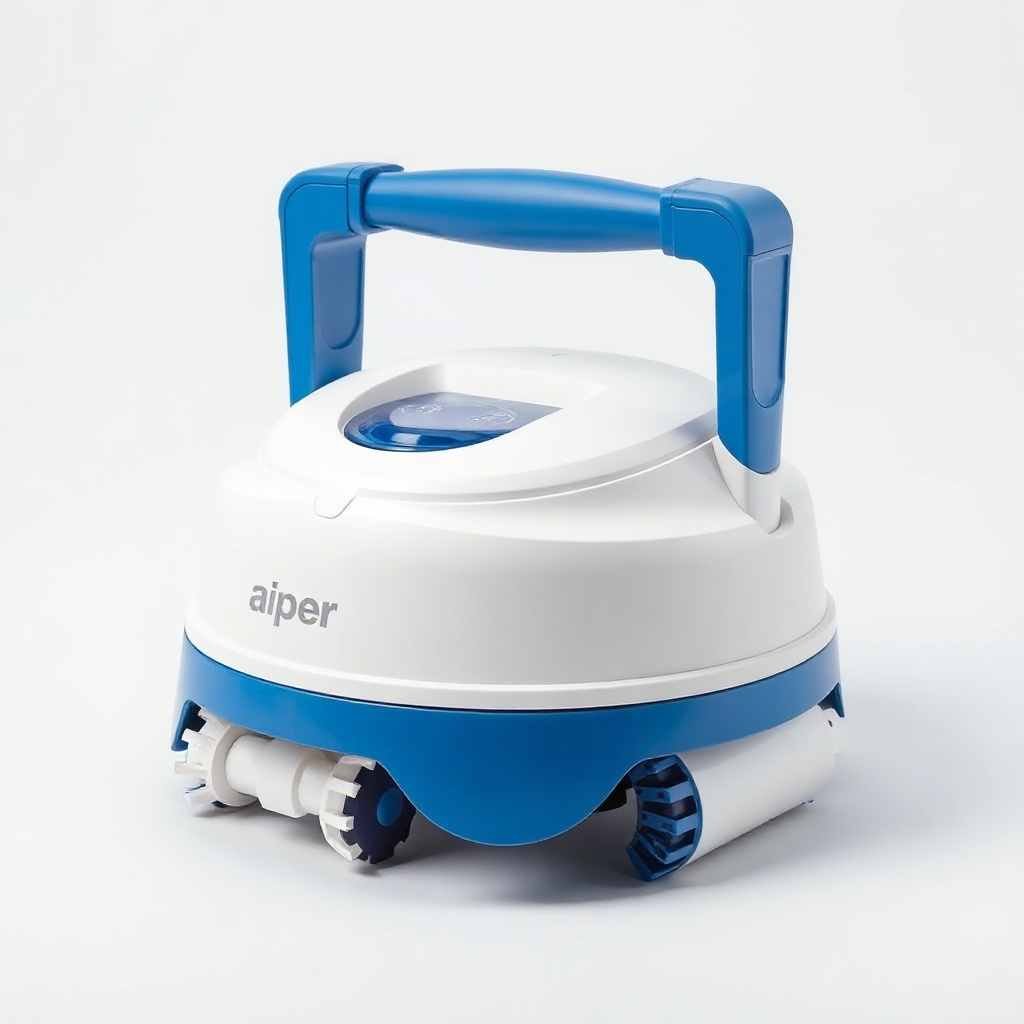
AIPER FLAGSHIP MODEL
Aiper Scuba S1
★ 4.5 · 187 reviews
The Scuba S1 is built for pool owners who want deep-clean results without babysitting a machine. This cordless robotic cleaner runs up to 180 minutes on a single charge-enough to scrub floors, walls, and waterline across pools up to 3,600 square feet. Its dual-brush system dislodges stubborn algae and fine silt that single-pass vacuums leave behind, while a self-parking feature brings it to the pool edge when the…
- 180-minute runtime handles large inground and above-ground pools in one session
- Covers up to 3,600 sq ft of floor, wall, and waterline surface
- Dual rotating brushes scrub algae, calcium, and fine sediment
- Self-parking mode surfaces the unit at the pool wall when cleaning finishes
- 5.2-liter filter basket traps debris down to 180 microns
How Smart Paths Outperform Random Bounces
Aiper’s WavePath algorithm maps your pool’s shape and calculates the most efficient route, eliminating redundant passes and missed spots that plague traditional random-pattern cleaners. Choose from three dedicated cleaning modes-Floor, Wall, or All-Surface-each tailored to a specific task so your robot spends time scrubbing, not wandering.
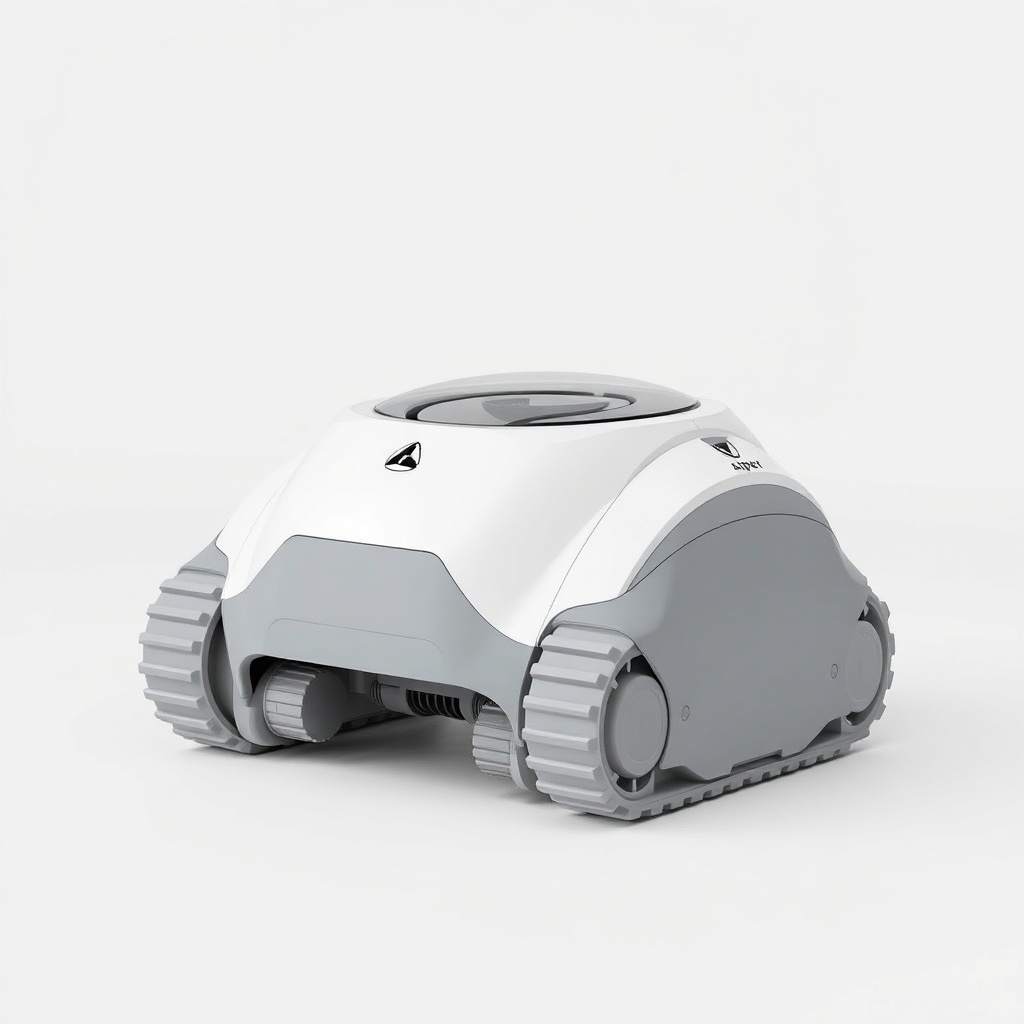
Aiper Seagull SE
Budget-friendly WavePath model handles floor-only cleaning with the same smart mapping, ideal for flat-bottom pools under 1,300 square feet.
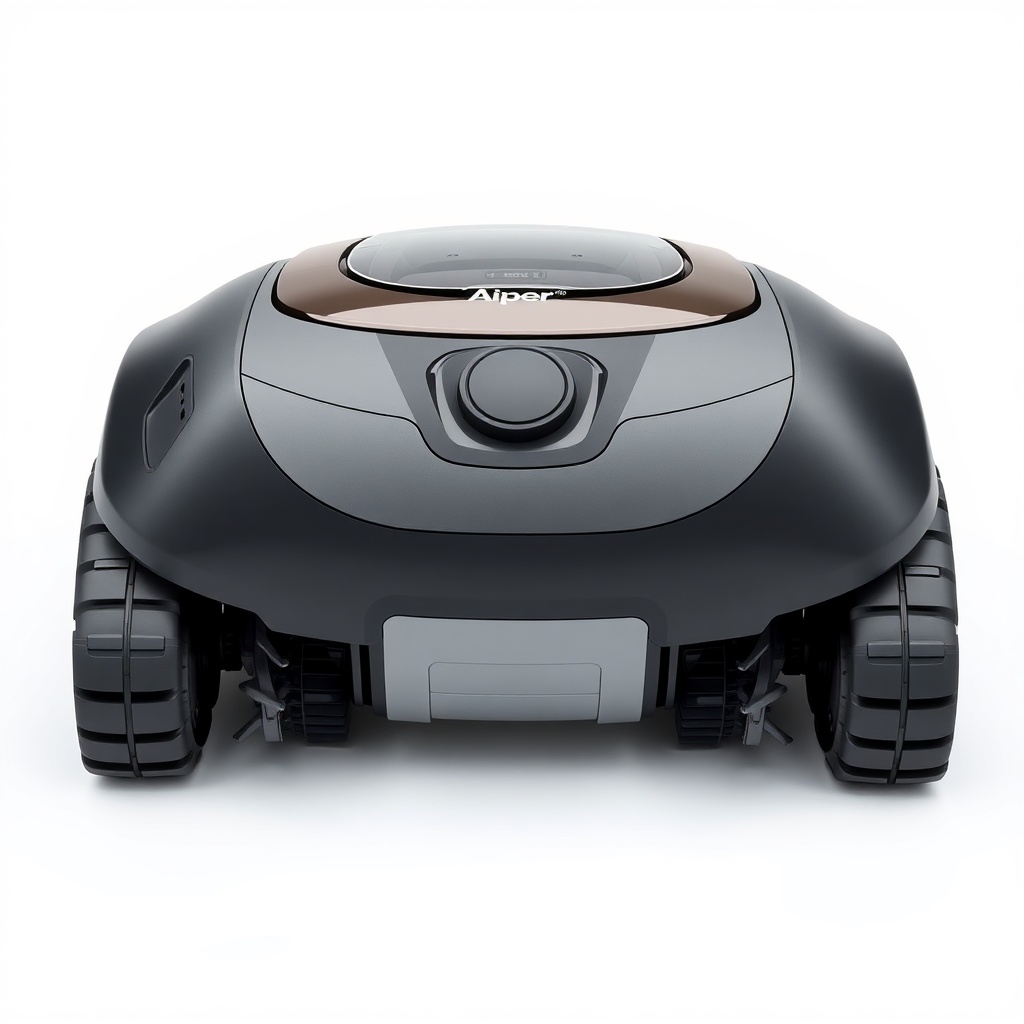
Aiper Seagull Pro
WavePath-powered navigation cleans floors, walls, and waterline in a single run, cutting average pool-clean time by 38% compared with random-bounce units.
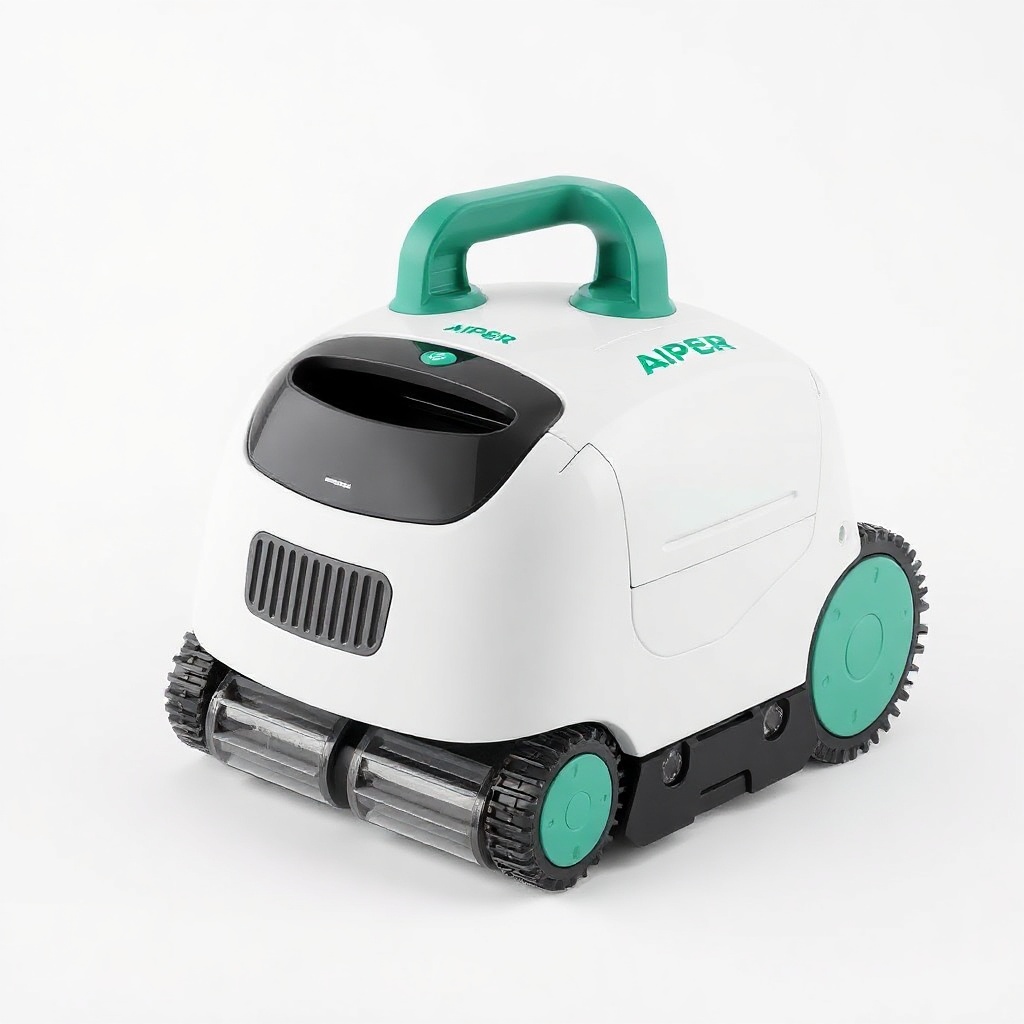
Aiper Scuba E1
Entry-level WavePath cleaner for above-ground pools runs a focused floor path in three selectable intensities, trading wall-climbing for a lighter 6.8-lb frame.
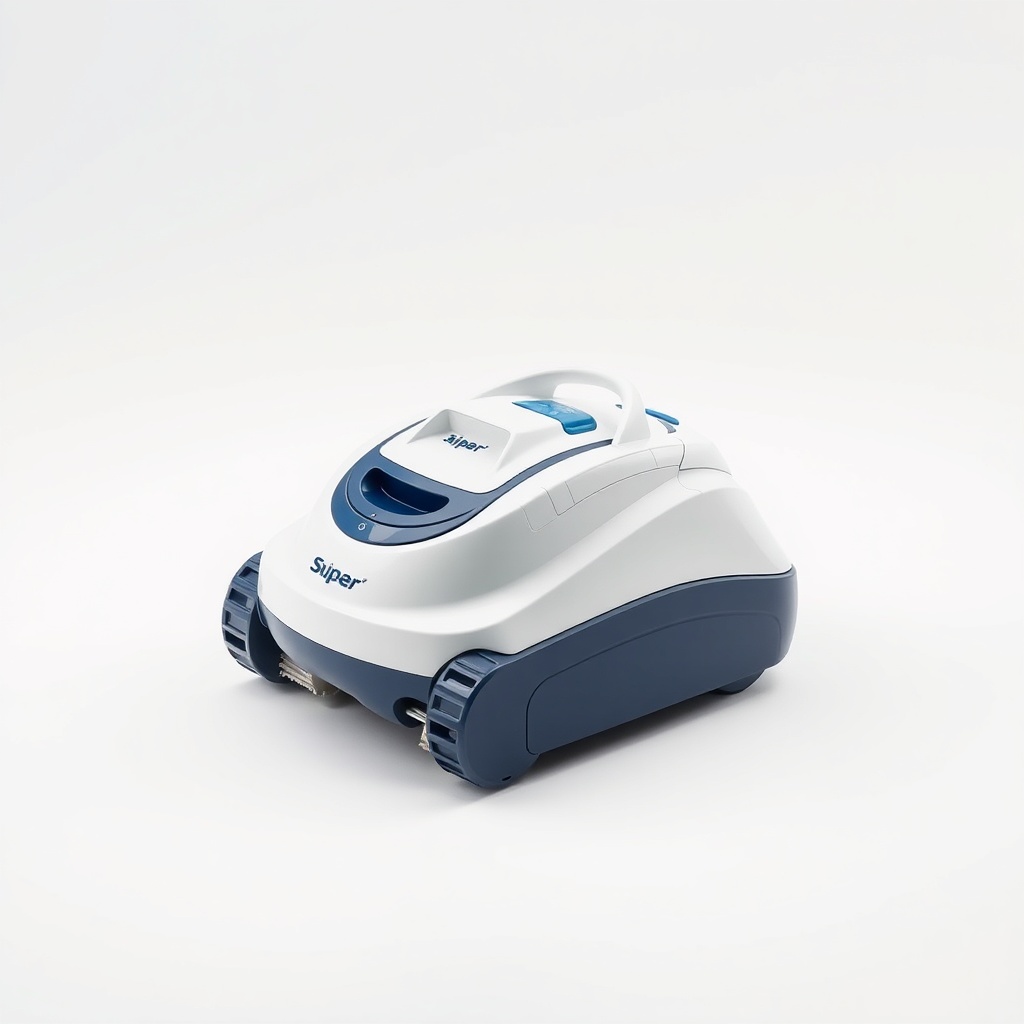
Aiper Scuba S1
Cordless wall-climbing robot uses three-mode WavePath logic to scrub floors, climb walls, and tackle the waterline without a floating cable.
BUYING GUIDE
Five Questions to Ask Before You Choose
An Aiper cordless vacuum handles leaves, sand, and fine silt differently depending on the model you pick. Answer these five questions first to match a unit to your pool, your debris, and how often you plan to run it.
Surface Type
Match the vacuum’s brushes and suction profile to vinyl, plaster, tile, fiberglass, or pebble-finish surfaces to avoid liner damage or incomplete debris pickup.
Primary Debris
Leaves, acorns, sand, silt, and pollen each demand different filter mesh sizes and intake port widths; choosing wrong means clogs or passes that leave fine particles behind.
Pool Dimensions
Measure your longest and widest points. Aiper battery life runs 75 to 110 minutes per charge, so pools over 600 square feet may require a second cycle.
Cleaning Frequency
Daily skimming builds less debris than weekly passes. If you vacuum once a week, look for a model with a larger filter basket to avoid mid-cycle emptying.
Cordless Convenience
Aiper units run on rechargeable batteries, which means no hoses or pump connections but also no continuous power – plan charging time between sessions.
Budget and Tier
Entry-level Aiper models handle routine maintenance on small pools, while top-tier units add stronger motors, longer runtimes, and finer filtration for challenging conditions.
QUALITY & CONFIDENCE
Built In-House, Backed for Two Full Years
Every Aiper pool vacuum undergoes rigorous in-house testing and assembly before it ever reaches your pool. We stand behind that process with a warranty that’s twice as long as the industry standard.
Warranty Coverage
24
CE & UL Safety
2
U.S. Support
7
10123 verified reviews
Your Top Pool-Vacuum Questions, Answered Clearly
- Can I use an Aiper vacuum in my sa
- How long does it take to fully cha
- What size pool can an Aiper vacuum
- How often do I need to clean or re
- Does the vacuum clean pool walls a
Yes, all Aiper cordless pool vacuums are engineered with corrosion-resistant materials and seals designed to handle saltwater pools. The internal components are built to withstand the chemical environment of salt chlorination systems, so you can clean your pool without worrying about premature wear or damage.
Charging time varies by model. Most mid-range Aiper units reach a full charge in about 3 to 4 hours on a standard household outlet. Larger models with bigger batteries may take closer to 5 to 6 hours. A full charge typically powers a complete cleaning cycle for pools up to 1,600 square feet.
Aiper models are rated for different pool sizes. Entry-level units handle above-ground pools and smaller in-ground pools around 800 square feet. Mid-tier and flagship models like the Scuba S1 or Surfer S2 are rated for in-ground pools up to 1,600 square feet or more, depending on floor shape and debris load.
After every cleaning cycle, remove the filter cartridge and rinse it with a garden hose to clear trapped dirt and hair. The filter itself should be replaced every 6 to 12 months depending on how frequently you run the vacuum and how much debris your pool collects. A clogged filter reduces suction and shortens battery life per cycle.
Most Aiper cordless vacuums are designed to climb pool walls and scrub the waterline using their brush rolls and suction. However, performance on walls depends on the surface texture-smooth plaster and vinyl liners work best. Textured surfaces like pebble finishes may reduce wall-climbing grip slightly.
Aiper vacuums include auto-shutoff features that pause operation when the unit detects an obstruction or low battery. If the battery dies during a cycle, the vacuum will stop in place rather than drifting unpredictably. You can retrieve it manually from the pool floor and resume or recharge as needed.